
When selecting an LCD module, engineers often focus first on specifications such as resolution, brightness, and interface type. However, haze is another important optical parameter because it directly affects how the display behaves under real lighting conditions. In practical LCD module design, haze should not be treated as a cosmetic detail. It is a functional optical characteristic that influences glare control, perceived sharpness, and real-world readability.
Haze in an LCD module describes the degree of light scattering in the front optical stack. Its main function is to reduce harsh reflected glare and improve practical readability by diffusing ambient light. A lower haze level usually preserves a clearer, glossier appearance, while a higher haze level produces a more matte, anti-glare visual effect.
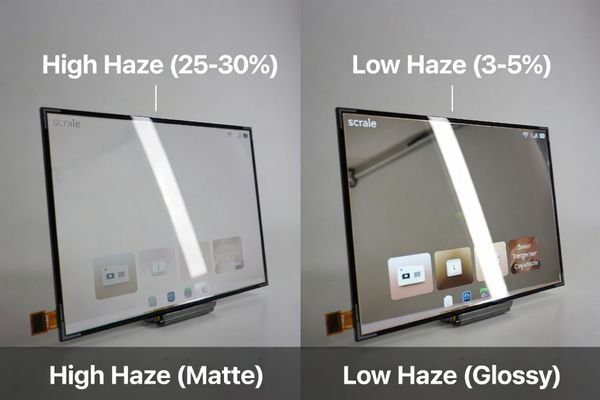
Based on my LCD display module integration work at LCD Module Pro, I often explain that haze is not a flaw or an unwanted visual side effect. It is a deliberate engineering choice in the optical stack. In many projects, the wrong haze1 level leads to predictable field problems: the display may become unreadable under factory lighting, or it may appear softer than expected even though the panel itself is high quality.
The correct haze level is always a balance. Higher haze generally improves glare control, but too much haze can reduce perceived image crispness. Lower haze usually preserves a sharper, more direct-view appearance, but the screen may reflect surrounding light so strongly that it becomes difficult to use. That is why haze should always be selected according to the actual application environment, not by appearance preference alone.
What Does Haze Mean in an LCD Module?
In optical engineering, haze is a measurable property rather than a vague visual description. It quantifies how much light is scattered as it passes through the front optical layers of the display.
Haze in an LCD module refers to the degree of light diffusion caused by front optical materials such as anti-glare coatings, textured cover lenses, or bonded surface films. It influences whether the display appears clear and glossy at low haze or more matte and diffused at higher haze.
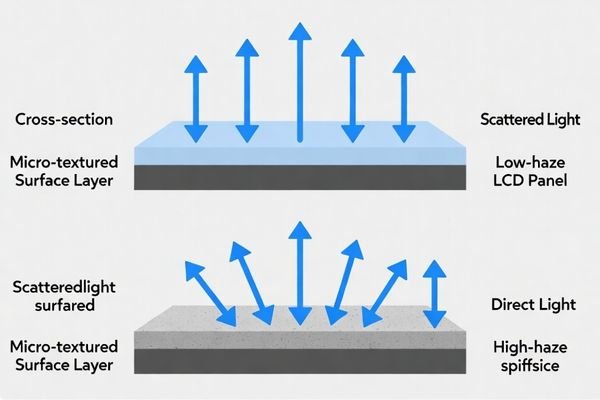
From an engineering standpoint, haze belongs to the optical structure above the LCD cell rather than to the liquid crystal layer itself. It is typically shaped by cover glass treatment, anti-glare layers, films, or front-surface design decisions made during module integration.
Haze vs. Gloss
Haze and gloss are closely related, but they are not the same thing.
- Haze describes how much transmitted light is scattered by the optical material.
- Gloss2 describes how much reflected light remains sharp and mirror-like at the surface.
A low-haze surface often appears clearer and glossier because light passes through it with less diffusion. A high-haze surface usually appears more matte because the same treatment that diffuses transmitted light also softens reflected light. In practice, increasing haze often reduces apparent gloss, which is why matte anti-glare displays are usually associated with higher haze values.
How It’s Measured
Haze is typically measured with a hazemeter according to standards such as ASTM D1003. The instrument evaluates how much transmitted light is scattered beyond a defined angular threshold and reports the result as a percentage.
This measurement gives engineers a standardized way to compare optical materials. A glossy consumer display surface may have very low haze, while an industrial anti-glare display can have a much higher haze value. The number itself, however, should never be judged without context. The same haze value can perform differently depending on cover lens structure, bonding, and viewing conditions.
How Is Haze Created in the Optical Stack?
Haze does not appear by accident. It is intentionally engineered into the optical stack through surface treatment or material structure.
Haze is usually created by adding a controlled micro-texture or diffusive structure to the front optical surface. This treatment scatters light, reduces sharp mirror-like reflections, and changes the visual character of the LCD module from glossy toward matte.
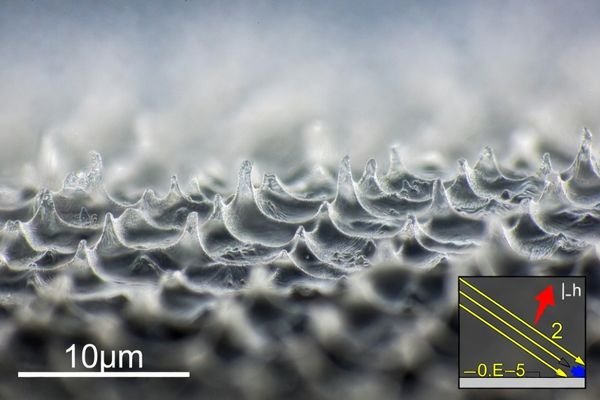
In real LCD module design, haze is often created through one or more of the following methods:
- Anti-Glare (AG) Coatings: These use micro-textured or particle-based surface treatments to scatter light and reduce harsh reflections.
- Surface Etching3: Glass or polymer surfaces can be chemically or mechanically treated to form controlled micro-roughness.
- Textured Optical Films: A laminated film may provide a pre-engineered haze level in a cost-effective way.
- Material Diffusion: Some materials include light-scattering particles, although this approach is less common when high image clarity is required.
The choice of method depends on durability targets, cost, optical quality, and stack compatibility with other layers such as touch panels, AR coatings, or bonded cover glass. Haze should therefore be understood as the result of a specific optical design choice, not as an isolated surface label.
What Is the Main Function of Haze in an LCD Module?
The main purpose of haze is functional. It helps the display remain more usable under bright or uncontrolled lighting conditions.
The primary function of haze is to reduce the severity of reflected ambient light by diffusing glare. This makes the displayed content easier to see in bright environments and improves practical readability in real-world use.
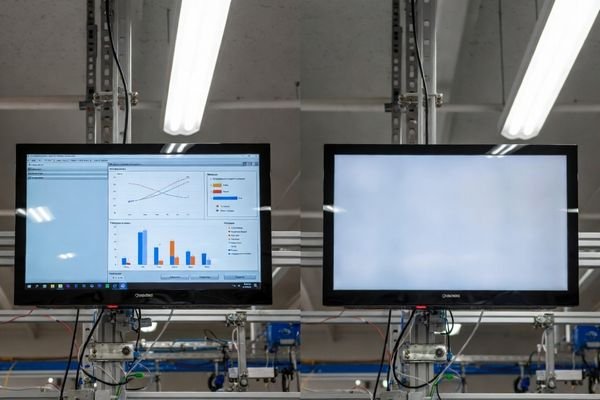
In many industrial and commercial applications, this function is critical. Strong reflections from overhead lighting, windows, or outdoor daylight can turn a glossy display into a mirror. A higher haze level softens those reflections and makes the screen more usable.
Typical examples include:
- Industrial HMI: Bright overhead lighting can create strong surface glare. Haze helps preserve readability for operators.
- Outdoor or Semi-Outdoor Kiosks: Reflected daylight can wash out the image. Haze improves visibility by reducing mirror-like reflection.
- Transportation and Vehicle Displays: Changing light angles and reflections from glass surfaces can interfere with viewing. Haze helps stabilize practical usability.
In these applications, haze is not selected to make the surface look matte for cosmetic reasons. Its main function is to manage reflected light so the display remains readable in the environment where it will actually be used. In most industrial LCD applications4, haze should be treated as a functional optical parameter rather than a cosmetic surface preference. If you need help defining an appropriate haze level for your application, our team can review your use case at info@lcdmodulepro.com.
How Does Haze Affect Clarity, Contrast, and Surface Appearance?
Haze improves glare control, but it also changes how the image looks. That is why it must be selected carefully rather than maximized automatically.
Higher haze reduces harsh reflections and creates a more matte surface appearance, but it can also slightly soften perceived image sharpness and reduce the apparent crispness of fine details. In some cases, it can also influence perceived contrast, especially when combined with other front-surface layers.
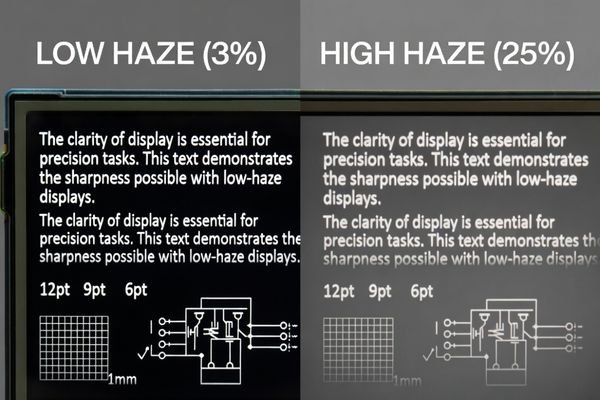
From an engineering perspective, the effect of haze5 should be evaluated as a trade-off across multiple optical goals.
| Optical Property | Effect of Increasing Haze | Engineering Implication |
|---|---|---|
| Glare / Reflections | Reflections become softer and less mirror-like. | Improves practical readability in bright ambient light. |
| Clarity / Sharpness | Fine details can appear slightly less crisp. | May reduce the perceived sharpness of text or graphics at close viewing distances. |
| Contrast | Perceived contrast can be reduced in some cases. | Must be evaluated together with panel brightness, AR treatment, and optical bonding. |
| Surface Appearance | Surface looks more matte and less glossy. | Can be beneficial in industrial settings, but may not suit applications that prioritize a glossy premium look. |
Higher haze improves glare control, but it should not be selected without considering viewing distance and image sharpness requirements. If the haze level is too low, the screen may be difficult to read because of strong reflections. If it is too high, the display may look unnecessarily soft. The correct balance depends on the actual application and full optical stack.
How Should Engineers Choose the Right Haze Level for an LCD Module?
The correct haze level should be selected from the real use case, not from an abstract preference for either matte or glossy appearance.
Engineers should choose haze by balancing reflection control against image clarity. Higher haze is generally more suitable for bright, uncontrolled environments, while lower haze is usually better for controlled environments where maximum sharpness is a priority.
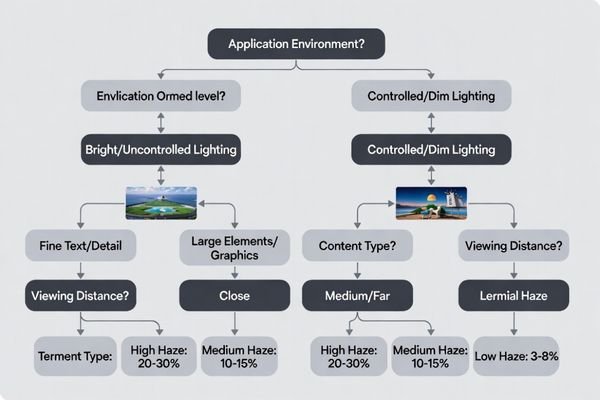
A practical engineering framework usually starts with three questions.
-
What is the lighting environment?
If the display will be used in bright industrial lighting, near windows, or in semi-outdoor conditions, a higher haze level may be necessary to control glare. If the display is used in a controlled indoor environment, lower haze is often preferable. -
What type of content is being displayed?
If the application relies on fine text, detailed graphics, or close-up viewing, lower haze usually preserves better perceived sharpness. If the display mainly shows large icons, status indicators, or data viewed from farther away, the softening effect of higher haze may be less important than its glare-control benefit. -
How is the full optical stack designed?
Haze should always be evaluated together with AG treatment, AR coating, optical bonding, cover lens thickness, and panel contrast performance. Haze should always be evaluated with the full optical stack instead of as an isolated surface value.
In many projects, the best result comes from testing the full prototype under real lighting conditions rather than selecting haze from a material spec alone. The right haze level is the one that delivers the best balance between reflection control, clarity, and usability in the actual environment of the final product.
FAQ
What does haze measure in an LCD module?
Haze measures the percentage of light that is scattered as it passes through the display’s front optical layers.
Is haze the same as anti-glare?
Not exactly. Anti-glare is the treatment method, while haze is the resulting optical characteristic that often changes because of that treatment.
Does higher haze always improve readability?
No. Higher haze improves glare control, but if it becomes too high, it can reduce perceived sharpness and make the image look softer than desired.
Can haze affect the appearance of fine text or graphics?
Yes. Increased light scattering can soften pixel edges slightly, which may make fine text and detailed graphics appear less crisp.
Should haze be evaluated alone during module selection?
No. Haze should be evaluated together with the full optical stack, including brightness, contrast, optical bonding, cover glass, and actual lighting conditions.
Why is haze important in industrial LCD applications?
Because industrial displays often operate in uncontrolled lighting environments where reflection control and stable readability are essential.
Conclusion
Haze in an LCD module is the light-scattering characteristic of the front optical stack, and its primary function is to control reflections and improve real-world readability. It is not simply a cosmetic surface trait, because it directly affects glare control, perceived sharpness, contrast impression, and overall usability.
At LCD Module Pro, we recommend selecting haze as part of a full optical design strategy rather than as a standalone number. The best haze level depends on environment, content type, viewing distance, and the rest of the optical stack. When haze is chosen correctly, the LCD module can achieve a more reliable balance between glare reduction and image clarity, not only in ideal viewing conditions, but also in the real application environment.
✉️ info@lcdmodulepro.com
🌐 https://lcdmodulepro.com/
-
Understanding haze in LCD displays is crucial for optimizing visibility and performance in various lighting conditions. ↩
-
Exploring gloss helps in making informed decisions about display design and enhancing user experience. ↩
-
Learn about Surface Etching techniques and their impact on optical quality and durability in LCD modules. ↩
-
Exploring best practices can help ensure optimal performance and usability of LCDs in industrial settings. ↩
-
Understanding the effect of haze is crucial for optimizing optical performance in various applications. ↩