
Choosing an LCD display module for agricultural machinery starts with understanding the real field environment rather than comparing screen size or resolution alone. In agricultural equipment, the display is part of a working machine exposed to strong sunlight, temperature swings, vibration, dust, moisture, and long operating hours. A module that performs well in an indoor demo can still become difficult to read, unstable, or unreliable in real field conditions.
Choosing an LCD module for agricultural machinery requires prioritizing outdoor readability, wide-temperature performance, and rugged mechanical and electrical integration. The best choice is the module that remains clear, stable, and reliable under real field stress, not simply the one with the most attractive specifications on paper.
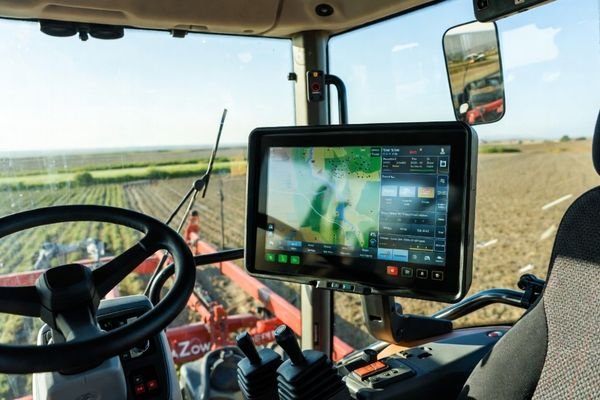
Based on my LCD display module integration work at LCD Module Pro, the most successful agricultural projects usually begin with a change in mindset. Instead of asking for the biggest or highest-resolution screen first, experienced OEM teams focus on which display will remain readable, durable, and integration-friendly in the exact machine environment. In many field projects, brightness, temperature range, interface stability, and mechanical fit matter more than headline resolution alone.
A successful selection process should therefore follow a system-level approach1. Engineers need to evaluate not only the LCD panel, but also how the module will be powered, mounted, protected, and used throughout the machine lifecycle. When the display is chosen around real agricultural operating conditions, it is far more likely to support better usability, lower service risk, and dependable long-term performance.
What Display Challenges Are Unique to Agricultural Machinery?
Agricultural machinery creates a particularly demanding display environment because multiple stresses occur at the same time rather than in isolation.
Displays in agricultural equipment are exposed to direct sunlight, wide temperature variation, continuous vibration, and contaminants such as dust and moisture. This combination requires stronger optical, electrical, and mechanical robustness than standard commercial display applications.
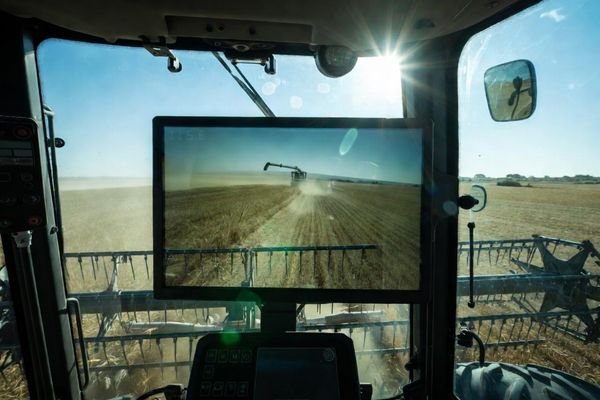
When I begin a project with an agricultural OEM, I do not treat the application simply as “outdoor use.” That description is too broad. A more accurate engineering approach is to define how the machine is used, when the operator reads the screen, what environmental exposure occurs during operation, and which stresses are likely to affect long-term reliability.
Extreme Environmental Exposure2
Agricultural equipment often works in open fields under intense sunlight, and the operator cabin can accumulate significant heat during daytime operation. The same machine may also need to start early in cold morning conditions or operate across changing seasons. At the same time, dust, humidity, splashed water, and cleaning exposure can all affect display performance and enclosure design. A display that works well indoors may fail quickly in real field conditions if these factors are not addressed during selection.
Dynamic Operating Conditions
Unlike a fixed industrial terminal, the display in a tractor, sprayer, or harvester is constantly subjected to vibration, shock, and changing viewing positions. Operators may read the screen while steering, adjusting equipment, or monitoring guidance information over uneven terrain. This means wide viewing angles, mechanical stability, connector retention, and consistent optical performance are baseline requirements rather than optional upgrades. In agricultural projects, the display must remain clear and stable while the machine is actively working, not only while parked or tested in a lab.
Which Core Specifications Matter Most in Field Use?
For agricultural machinery, the right LCD display module is usually defined by field usability and long-term reliability rather than by a single premium specification.
The most important specifications in agricultural use are brightness, viewing angle, operating temperature, resolution matched to the interface design, and backlight durability. These factors should be evaluated together because field performance depends on their combined effect, not on any one value alone.
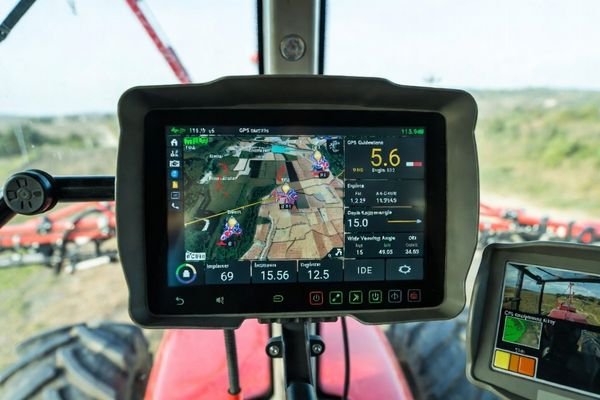
From an engineering perspective, I prefer to evaluate these parameters as a practical decision framework rather than as isolated datasheet numbers. For agricultural machinery, brightness and temperature range should be treated as baseline requirements, not optional upgrades.
| Core Specification | Why It Matters in Agriculture | Typical Engineering Target |
|---|---|---|
| Brightness3 | To maintain readability under direct sunlight and bright cabin reflections. Low brightness can reduce efficiency and create operational risk. | 800 nits or higher, often 1000–1500 nits for stronger outdoor visibility. |
| Viewing Angle | Operators rarely stay perfectly centered in front of the display. The image should remain clear from different positions. | Wide viewing angles, often using IPS or similar technology. |
| Operating Temperature | The module must start reliably in low temperatures and remain stable in high cabin heat. | Wide-temperature performance suitable for real outdoor equipment conditions. |
| Resolution | Should match the amount of data, icons, maps, or camera content shown on the interface. | Selected according to UI complexity rather than simply maximizing pixel count. |
| Backlight Lifetime | Agricultural equipment operates for long hours across many seasons. Backlight durability affects long-term usability and service life. | Long backlight life suitable for extended machine duty cycles. |
A balanced specification set is usually more valuable than a display that excels in only one area. For example, a very high-resolution module can still be the wrong choice if it lacks sufficient brightness, has limited viewing stability, or creates unnecessary integration complexity for the controller platform.
How Important Are Sunlight Readability and Wide Temperature Performance?
In agricultural machinery, sunlight readability and wide-temperature capability are not premium extras. They are often the foundation of a functional user interface.
Sunlight readability and wide-temperature performance are mission-critical because the operator must be able to read the display clearly in bright outdoor conditions and rely on it through cold starts, hot cabin conditions, and long daily operating cycles.
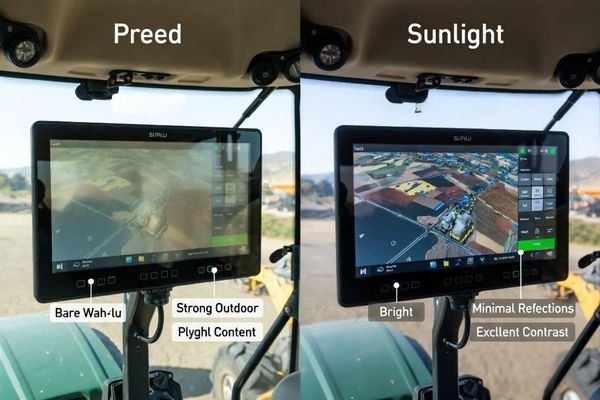
In many agricultural projects, inadequate brightness or insufficient temperature tolerance becomes a predictable source of field complaints. A screen that is unreadable in direct sun can slow operation, reduce user confidence, and increase interface error risk. Likewise, a module that struggles in high heat or low temperature can compromise the usability of machine monitoring, guidance, and control systems at the exact moment the operator depends on them.
True sunlight readability4 should also be understood as more than a brightness number alone. High brightness is essential, but optical design matters too. Anti-reflective surface treatment, controlled optical stack design, and optical bonding can all improve the clarity of the image in bright conditions by reducing internal reflection and increasing perceived contrast. For outdoor agricultural equipment, these details can make a large difference in practical readability.
Wide-temperature performance should be evaluated with the same seriousness. The goal is not only for the display to survive temperature extremes, but to remain stable and usable across them. That includes panel response, backlight behavior, and consistent visual performance across changing field conditions. If your team is evaluating outdoor visibility or thermal performance in an agricultural display project, feel free to contact us at info@lcdmodulepro.com.
How Do Interface, Mechanical Design, and Reliability Affect Integration?
Optical performance alone does not guarantee a successful agricultural display project. A good LCD display module must also integrate correctly with the machine’s electrical and mechanical system.
Successful integration depends on confirming interface compatibility, ensuring the module fits the intended housing, and verifying that the full display assembly can tolerate vibration, dust, moisture, and long-term field use.
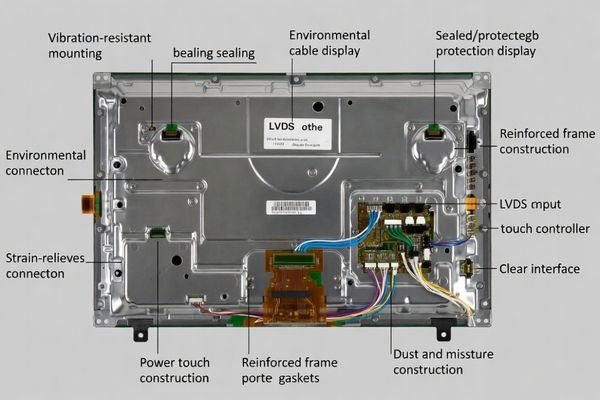
In many field failures, integration weakness matters more than panel specification alone. This is why interface compatibility5 should be confirmed before screen size is finalized. Engineers should verify whether the host system supports LVDS, eDP, MIPI, or another interface, and then confirm timing, pin definition, bandwidth, and power requirements before moving forward with mechanical design.
Mechanical fit is equally important. The outer dimensions, active area, mounting hole positions, bezel constraints, and cover-glass space all need to match the machine design. Agricultural environments also place continuous stress on connectors and mounting structures, so vibration resistance and connector stability should be treated as core design factors rather than afterthoughts.
Long-term reliability should also be reviewed early. This includes resistance to vibration and electrical noise, backlight consistency, enclosure compatibility, and supply continuity over the expected service life of the machine. For agricultural machinery, the most reliable result usually comes from selecting a module that fits the controller, structure, and environment together instead of optimizing the display specification in isolation.
How Do You Match an LCD Display Module to Different Agricultural Applications?
The most effective way to choose an LCD display module for agricultural machinery is to begin with the actual application, then work from usage conditions toward display requirements.
The best module is not the one with the highest specification, but the one that best matches the machine’s task, user interaction, display content, and operating environment. A structured application analysis leads to a more reliable and cost-effective selection.
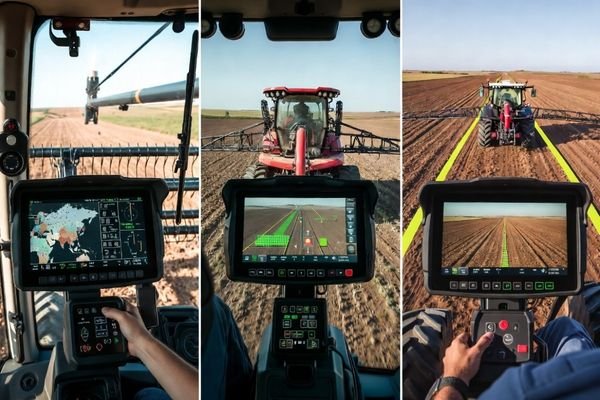
When I work with OEM teams, I usually start with four questions: who uses the screen, what information must be displayed, in what light and viewing position the display will be read, and what environmental stress the machine will face. Once those answers are clear, screen size, brightness, resolution, interface choice, and touch requirements become much easier to define.
For a simple implement monitor on a seeder or sprayer, the priority may be straightforward status indication, stable brightness, and rugged integration rather than high resolution. For a primary cabin display in a tractor, the display may need a larger active area, strong outdoor readability, wide viewing angles, and support for multiple interface elements such as machine status, camera feed, and navigation information. For a precision guidance terminal6, higher clarity, interface responsiveness, and a well-balanced resolution may be more important because the operator depends on fine visual detail for real-time decision-making.
This application-first method creates a stronger selection process than choosing by screen size alone. The best module is the one that matches the machine’s actual operating task, remains usable in the field, and integrates smoothly with the controller, housing, and power environment over the full life of the equipment.
FAQ
Why is high brightness important for agricultural machinery LCD modules?
Agricultural machinery often operates outdoors in direct sunlight, so insufficient brightness can make the display difficult to read. A properly selected high-brightness LCD module improves visibility, operator efficiency, and interface safety in field conditions.
Is IPS better than other panel types for agricultural displays?
In many cases, yes. IPS is often preferred because it provides wide viewing angles and more stable color performance, which helps operators read the screen clearly from different positions inside the machine cabin.
What interface should be considered first when choosing an LCD module?
The first priority is compatibility with the host system. Engineers should confirm whether the controller supports LVDS, eDP, MIPI, or another interface, and then verify timing, pin definition, and bandwidth requirements before final selection.
Do agricultural LCD modules need touch integration?
It depends on the interface design of the machine. If the user interface relies on direct interaction, touch integration can be valuable, but engineers should also consider glove use, moisture exposure, surface treatment, and long-term field reliability.
How do vibration and dust affect LCD module selection?
Vibration and dust can affect connector stability, mechanical mounting, optical clarity, and long-term reliability. For agricultural machinery, these factors should be reviewed early instead of being treated as secondary issues after prototyping.
Is a higher resolution always better for agricultural machinery displays?
Not necessarily. The right resolution depends on screen size, viewing distance, interface layout, and the type of information being displayed. A balanced design is usually better than choosing the highest available resolution without considering usability and integration.
Conclusion
Choosing an LCD display module for agricultural machinery is a system-level engineering task that requires more than checking a few display specifications. The right module is the one that performs reliably under sunlight, temperature change, vibration, dust, and long working cycles while also fitting the machine’s electrical and mechanical design.
At LCD Module Pro, my experience shows that the most successful agricultural display projects begin with the real application rather than with the screen itself. When engineers define the operating environment, interface needs, viewing conditions, and machine function early, they are far more likely to select an LCD module that is readable, durable, and easy to integrate. This approach supports better operator confidence, improved equipment efficiency, and more dependable long-term field performance.
✉️ info@lcdmodulepro.com
🌐 https://lcdmodulepro.com/
-
Understanding the system-level approach can enhance your project outcomes by ensuring all components work harmoniously. ↩
-
Understanding extreme environmental exposure is crucial for ensuring the reliability and performance of agricultural equipment in real-world conditions. ↩
-
Understanding brightness in displays is crucial for ensuring safety and efficiency in agricultural operations. ↩
-
Understanding true sunlight readability is crucial for optimizing display performance in outdoor conditions, ensuring clarity and usability. ↩
-
Understanding interface compatibility is crucial for ensuring seamless integration in engineering projects. ↩
-
Discover essential features of precision guidance terminals to ensure effective real-time decision-making in agricultural applications. ↩