
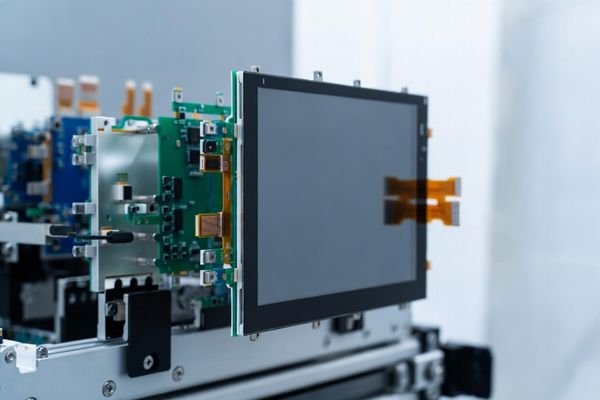
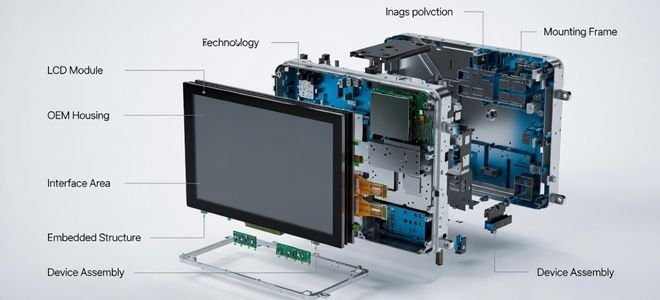
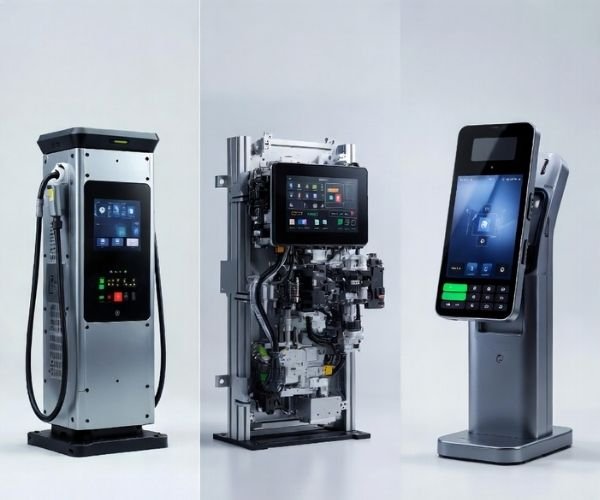

We develop custom LCD modules for OEM equipment that require display integration beyond standard off-the-shelf formats.
Custom LCD module development is the process of engineering a display module for a specific device platform instead of selecting a general-purpose display from a standard catalog.
The module is developed around the actual equipment structure, visible area, installation conditions, and overall product integration requirements.
Interface compatibility and integration logic are reviewed together with the embedded hardware architecture.
The goal is to create a display module that works naturally within the product rather than forcing the product to adapt.
Compared with a standard LCD module, a custom solution gives more control over module format, mechanical accommodation, and system compatibility. This is especially valuable when product design, enclosure structure, or application conditions create requirements that cannot be resolved with a common display part.
A custom LCD module is often required when standard display components cannot match the product’s structure, interface conditions, or visual design goals.
Tight internal layouts often make standard display dimensions difficult to use inside the product.
Some devices need a display format or active area that better supports their information design.
Housing shape, front appearance, connector direction, and mounting method may all require a custom approach.
A custom module can be better aligned with the electronics architecture and integration path of the target device.
Custom LCD module development can include module sizing, mechanical adaptation, interface planning, housing coordination, and optical adjustment according to the real needs of the equipment.
Size and active area can be adjusted to better fit the product structure, front design, and the overall spatial requirements of the target equipment.
Mounting strategy, thickness direction, and assembly relationships can be reviewed during development to better match the mechanical structure of the final device.
Signal coordination is considered so the display module can align with the target system electronics, interface architecture, and overall integration requirements.
Brightness and visual readability can be evaluated according to actual operating conditions, user environment, and the visual performance needs of the equipment.
The module is planned as part of the product assembly rather than as an isolated display part, supporting better structural coordination within the device.
Engineering decisions are reviewed early to support smoother prototype development, production preparation, and a more practical customization path for the project.
Custom LCD modules are commonly applied in devices where display integration is directly connected to product structure, interface logic, and user interaction design.

Display modules can be adapted to charging terminal structure, front panel design, and system integration needs.
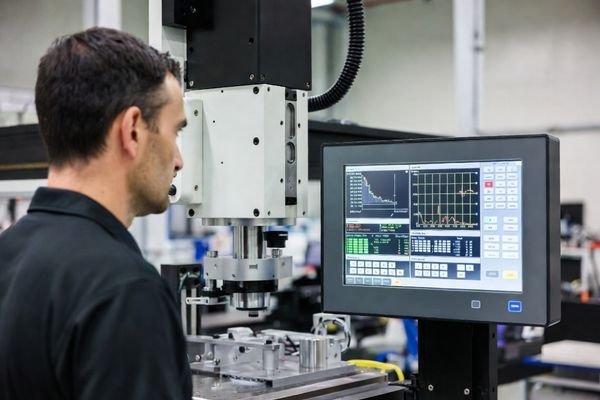
Industrial equipment often requires modules that fit defined installation spaces and embedded control architectures.
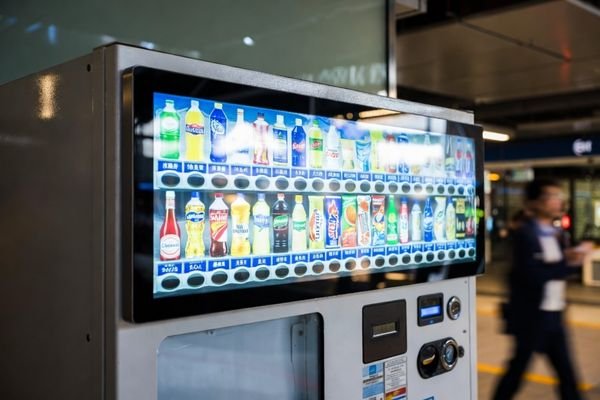
Vending devices benefit from custom display formats that match cabinet structure and user interface requirements.

Custom LCD modules support marine electronics with reliable display integration, practical interface layout, and equipment-specific structural design.
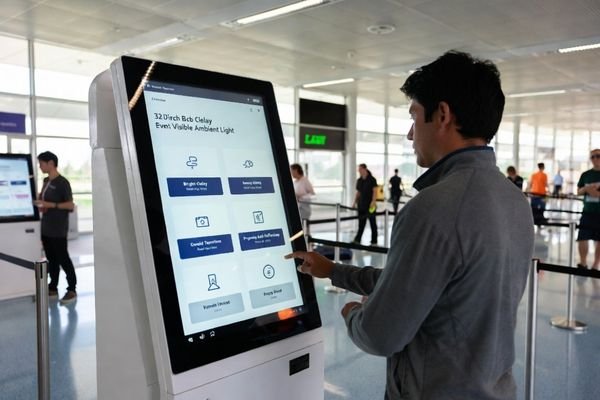
Terminal platforms often require module layouts aligned with kiosk design and operational flow.
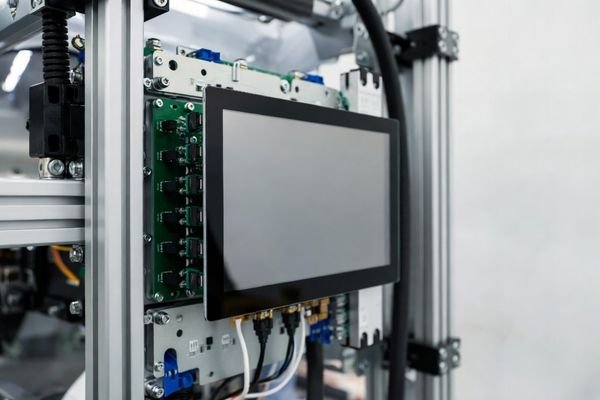
Any OEM device with non-standard display conditions may benefit from a custom module development path.
A custom LCD module must work not only as a display, but also as a stable part of the full equipment system.
Engineering review helps reduce integration risks and supports a smoother path from concept to validation.
Signal architecture, power conditions, and hardware coordination are reviewed for stable module operation.
Mounting method, installation space, and assembly relationships are checked against the product structure.
Temperature exposure and equipment usage conditions are considered during module definition.
Brightness, readability, and visual behavior are aligned with how the equipment will actually be used.
A structured process helps connect product requirements, engineering feasibility, prototype review, and production readiness.
Project goals, device conditions, and display expectations are reviewed at the start of the development process.
Technical requirements are organized around module structure, interface planning, and performance targets for the project.
Feasibility, compatibility, and development risks are assessed in advance to support a more reliable engineering decision process.
Sample preparation supports physical review, integration testing, and observation of module performance inside the target product.
The module is evaluated for functional fit, product alignment, and development readiness before moving toward implementation.
After validation, the project moves into production planning and detailed preparation for final product implementation.
If your equipment requires a non-standard display solution, our team can support the development process from requirement analysis to module integration planning.
Share your device type, installation limits, interface expectations, and target display performance so the project can be reviewed from an engineering perspective.
Requirement review for structure, interface, and display integration
Support for prototype evaluation and product-level feasibility
We will contact you within 1 working day, please pay attention to the email with the suffix “@lcdmodulepro.com”.