Many devices operate in bright ambient light, semi-outdoor spaces, or direct sunlight where standard display brightness is no longer enough. High brightness LCD customization helps equipment manufacturers maintain readability, visual stability, and dependable user interaction in demanding environments.
We support the engineering development of high brightness LCD modules for professional equipment displays, helping customers balance luminance, thermal control, power design, display uniformity, and long-term reliability in one tailored solution.
High brightness LCD modules are display systems developed to remain visible under strong ambient light conditions. Compared with standard indoor displays, they are engineered with stronger backlight performance and a display structure that supports better readability when surrounding light becomes a challenge.
For equipment manufacturers, high brightness LCD customization is not only about increasing luminance. It also involves controlling heat, preserving display consistency, and ensuring that the module remains suitable for the working conditions of the device.
The engineering value of a high brightness solution comes from how well the module performs in real operating environments, especially when the display must remain visible during continuous use, changing daylight, or high exposure conditions.
High brightness LCD modules are typically required when ambient light begins to reduce display clarity, operator accuracy, or user confidence. In many equipment projects, visibility is not a cosmetic upgrade. It is a core functional requirement.

Displays used outdoors must remain legible under changing daylight conditions and open-air exposure.
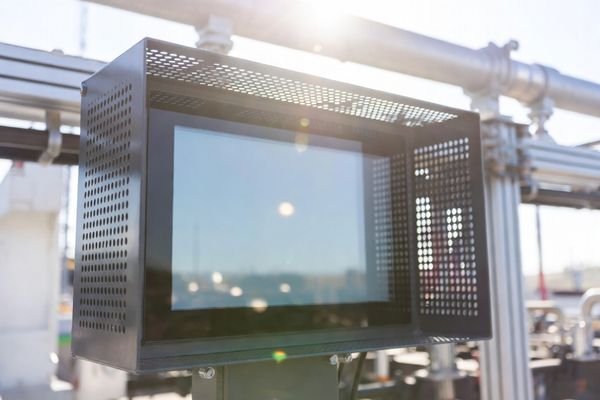
Equipment placed near windows, in open service points, or under direct sunlight often requires much stronger luminance.
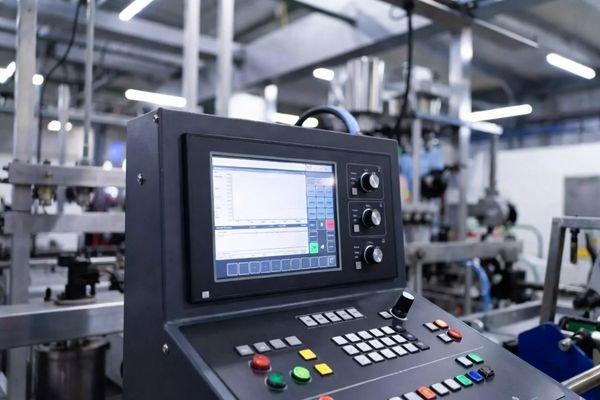
Factory lines, production zones, and maintenance spaces can create strong ambient lighting that reduces readability.
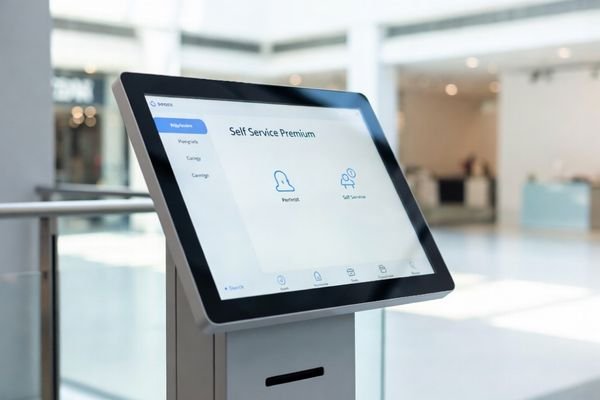
Open public areas demand dependable display visibility for self-service equipment and unattended interaction points.
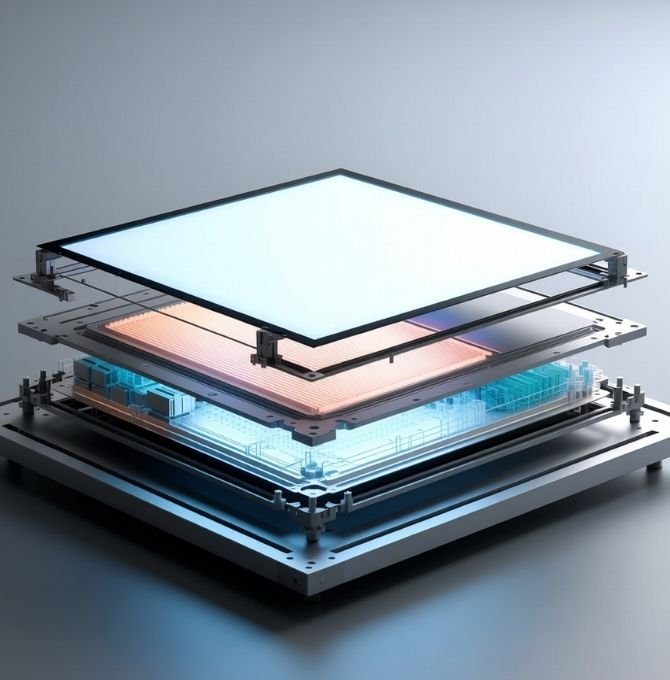
Different equipment environments require different brightness strategies. A higher number alone does not define the right solution. The correct brightness level should be selected according to device placement, expected viewing distance, enclosure design, and the actual light conditions surrounding the screen.
Engineering assessment is essential because overdesign can increase thermal load and power demand, while underdesign can leave the display difficult to read in real operating conditions.
Suitable for controlled environments where lighting is present but not aggressive, such as enclosed control devices or operator terminals.
Used in transitional spaces where equipment faces variable daylight, storefront exposure, or partially open operating areas.
Required for equipment that must stay visible in open public areas or direct sunlight where strong glare affects standard LCD readability.
High brightness LCD customization is widely used in equipment operating in bright environments. These displays support interfaces that must remain easy to read while maintaining stable performance through long operating cycles.
Readable interfaces for charging status, payment guidance, and user prompts in outdoor service locations.
Public-facing equipment that requires dependable visibility for ticketing, information access, and self-service workflows.
Bright display modules for selection, payment, and promotional content in retail and semi-outdoor environments.
Display solutions for terminals, service systems, and operational equipment used in bright public traffic areas.
Stable and visible display performance for operators working in bright workshops or machine control settings.
Developing a high brightness LCD module requires more than increasing backlight output. The display system must remain balanced across optical performance, thermal behavior, power efficiency, and long-term operating stability.
Higher luminance depends on a backlight structure that delivers strong output without compromising efficiency or lifetime.
More brightness often means more heat, so the module and equipment structure must work together to manage temperature effectively.
Brightness targets must be aligned with system power budgets, driver capability, and the overall electrical design of the equipment.
Engineering must protect consistent visual output so the screen remains clean, even, and professional across the active area.
High brightness LCD customization should be guided by the real operating conditions of the equipment. The most suitable display solution comes from understanding how the screen will be used, where it will be installed, and what level of reliability the project demands over time.
A high brightness display should be selected according to environmental light, user interaction distance, enclosure limitations, and the expected operating cycle of the equipment. A more accurate design process improves readability while also protecting long-term stability.
This is why equipment projects often require a coordinated review of brightness level, structural space, power strategy, and reliability targets before the final display solution is confirmed.
The surrounding light level has a direct impact on readability and should guide brightness selection from the beginning.
User position, screen placement, and interaction behavior affect how clearly information can be seen in operation.
Indoor, semi-outdoor, and outdoor equipment each create different requirements for luminance, cooling, and structural protection.
The module must support stable display performance across the expected duty cycle and working conditions of the device.
If your equipment requires a high brightness LCD module, we can help you evaluate the project from the application side and the engineering side at the same time.
Share your target environment, display size, interface preference, installation constraints, and brightness expectations. Our team can review the core requirements and help define a more suitable display direction for your equipment.
This is especially useful for projects involving outdoor equipment displays, sunlight-readable interfaces, industrial control systems, charging equipment, self-service terminals, and other devices where visibility and stability must work together.
We will contact you within 1 working day, please pay attention to the email with the suffix “@lcdmodulepro.com”.