
Custom and special-format LCD modules for kiosks, vending, POS, and self-service devices — developed around product design, touch interaction, visibility, and long-term operation.
Built for terminals: the display is part of the product front, interaction, and user experience.
Engineering-first: start from enclosure, touch, interface, and display integration needs.
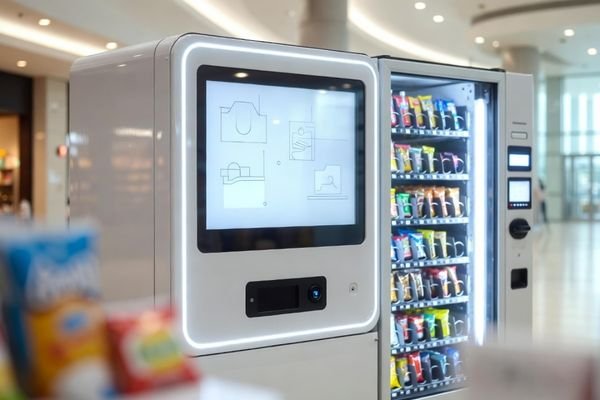
Terminals and vending systems combine visibility, structural integration, and long operating hours— often beyond a simple catalog pick.
Vertical, ultra-wide, and bar-style layouts must match the UI design and the terminal’s front appearance.
Extended usage demands stable backlight behavior, uniformity control, and consistent long-term performance.
Thin housings, front mounting, and glass-covered structures need tight alignment with the display module.
Stations and storefronts require stable brightness and readability under strong indoor or mixed lighting
Standard catalog modules often fail to balance terminal appearance, touch experience, mounting structure, and stable long-hour performance at the same time.
Engineering-driven LCD module development for terminal products — balancing form factor, touch interaction, visibility, structure integration, and stable commercial operation from concept to production.
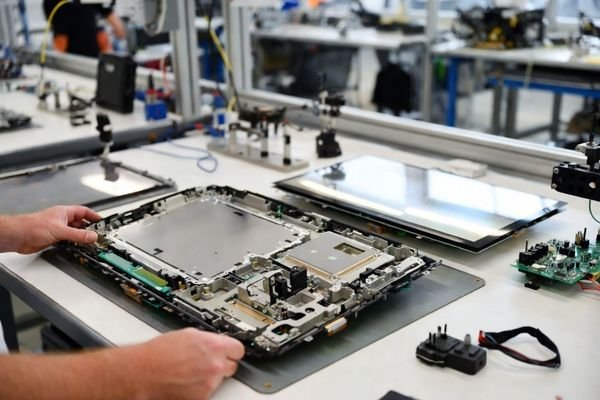
We coordinate outline, interface, brightness targets, and integration details so your terminal front-end looks right and stays readable in real use.
Ultra-wide, vertical, and custom formats to match interface layout and enclosure design.
Brightness enhancement, optical optimization, and anti-reflection configurations when required.
Slim structures, front-mount designs, cover glass integration, and touch solutions.
Concept → samples → stable production planning with engineering-level coordination.
Requirements are usually defined by product design and user interaction — then engineered into a stable module.
| Form factor | Bar-type, vertical, ultra-wide, or custom outlines driven by the front layout |
| Brightness | Medium to high brightness targets based on ambient light and viewing distance |
| Integration | Cover glass, touch, front mounting, and slim structure constraints as needed |
| Interfaces | LVDS or eDP; HDMI commonly implemented via controller depending on platform |
| Design focus | Appearance matching, readability, uniformity planning, and long-hour stability |
Terminal displays are part of the product front design and user interaction.
Projects often require coordination across optics, touch, mechanics, cover glass, and interfaces to avoid late-stage redesign and integration risk.
If the terminal uses a standard landscape layout, operates under controlled indoor lighting, and has no strict requirements for touch integration, cover glass, or front structure, a catalog module may be acceptable. When proportions, front design, brightness, touch, or long-hour stability matter, a custom engineering approach is usually the safer choice.
These situations typically require the LCD module to be developed around product design, not adapted afterward.
The terminal’s appearance relies on vertical, ultra-wide, or bar-type layouts.
Bright indoor or storefront lighting requires visibility planning and tuning.
Cover glass and touch need alignment with structure, optics, and mounting.
Extended daily usage needs stable backlight behavior and uniformity control.
Front mounting and thickness limits drive mechanical and thermal design choices.
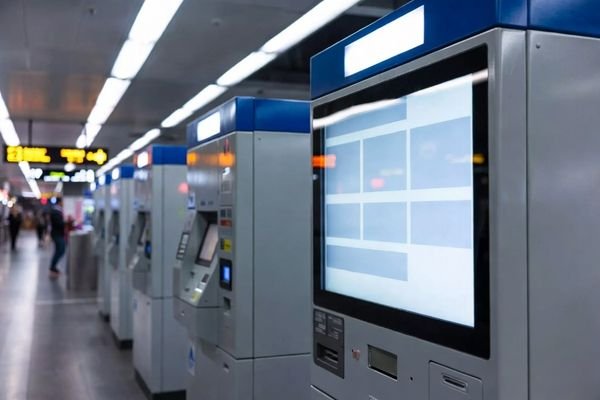
Align structure, visibility targets, and interface definition early to keep the front design clean, readable, and stable through production.
Smart terminal devices often require a balance between product appearance, touch experience, mounting structure, and display performance. In many projects, standard catalog modules cannot meet all of these requirements at the same time.
The display is part of the terminal front design, so proportions, bezel constraints, visible area, and overall appearance often need to match the product concept.
Many terminal projects require touch, cover glass, and mounting structure to work together, which makes engineering coordination more important than simple module selection.
Kiosks, vending units, and self-service systems often run for long hours, so brightness, uniformity, and long-term stability must be planned from the beginning.
Pick the capability you need, then we align it with your terminal design andoperating conditions.
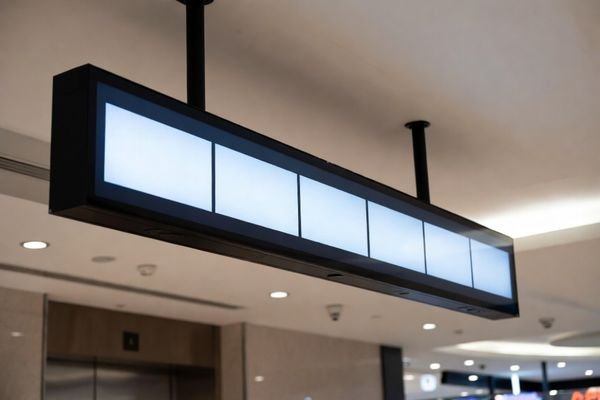
Custom proportions and outlines engineered to match terminal UI layout and front appearance.
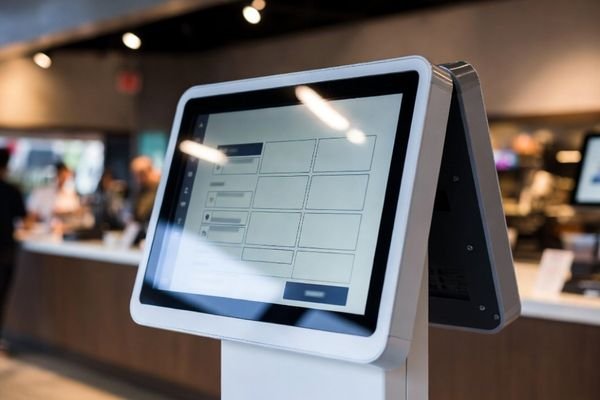
Brightness and optical options tuned for strong ambient light and consistent readability.
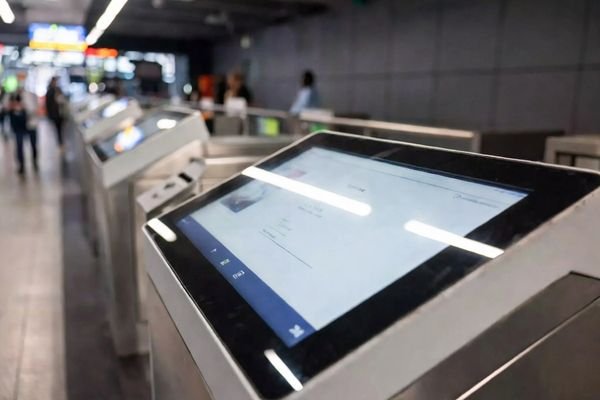
Interface, structure, and stability targets defined with engineering-led development steps.
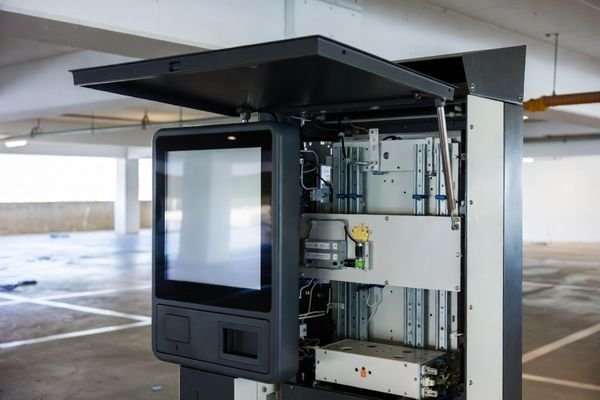
Cover glass, touch, and mechanical mounting coordinated for a clean terminal front design.
If you are developing kiosks, vending systems, POS terminals, or other self-service devices, and your project involves custom proportions, touch integration, brightness targets, or front-structure constraints, we welcome an engineering-level discussion.
We will contact you within 1 working day, please pay attention to the email with the suffix “@lcdmodulepro.com”.