
Designed for public information systems, transportation terminals, digital signage equipment builders, and embedded commercial devices that require a larger display area, stable integration, and project-based customization support.
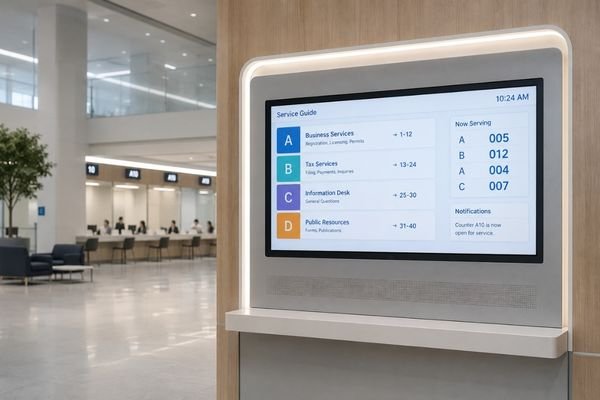
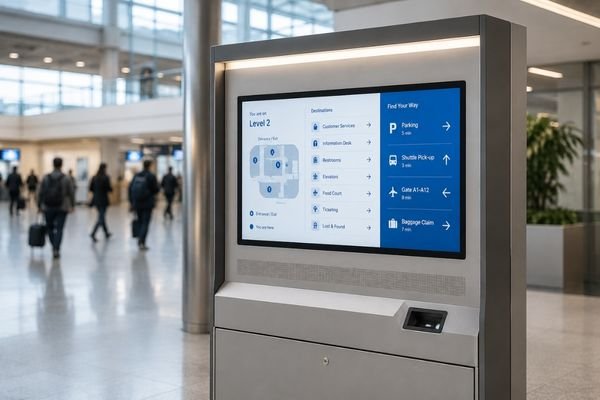
A 43-inch commercial display module is often a practical direction when a standard monitor, consumer TV, or finished signage screen does not fully match the structure, installation logic, brightness requirement, or long-term project plan.
In information system projects, display selection is not only about screen size. The module needs to work with the enclosure, controller board, mounting method, front-surface design, and real application environment.
If the project requires a display unit to be integrated into equipment, a terminal, a public-facing system, or a custom enclosure, the evaluation should begin before the display specification is locked.
The 43-inch direction is most valuable when the display is part of a real equipment or information-system project, not a simple finished-screen purchase.
The project needs a larger display area for schedules, wayfinding, service instructions, status updates, promotional content, or public information.
The display unit needs to fit into a terminal, enclosure, public system, commercial device, or custom installation structure.
Brightness, interface, cover glass, front-surface treatment, mounting, or supply continuity still need project-level evaluation.
For information-system and public-facing equipment projects, a 43-inch commercial display module direction helps project teams evaluate visibility, integration fit, interface path, and deployment continuity before the display structure is fixed.
A larger display area helps public-facing systems present route guidance, service content, queue updates, status prompts, and visual instructions more clearly.
The 43-inch direction can be evaluated for information systems, transportation terminals, commercial display equipment, and embedded public-facing devices.
Early review of brightness, controller path, front-surface design, and mounting direction helps reduce mismatch risk before sampling.
Information system projects often require more than one sample. Long-term supply, batch consistency, and future maintenance should be considered from the beginning.
This page describes a project direction rather than a fixed datasheet. Final specifications should be reviewed according to the actual structure, brightness target, interface path, and deployment environment.
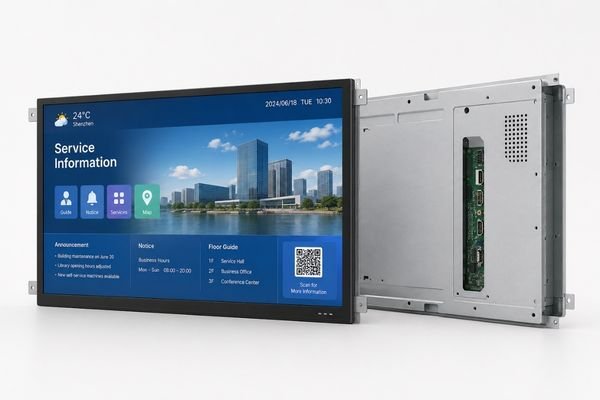
Because this page does not rely on a single fixed reference model, these related pages help support the technical evaluation path for brightness, customization, interface, and mechanical integration.
The 43-inch commercial display module direction can be evaluated for projects where a larger display area, public visibility, and stable equipment-level integration are required.
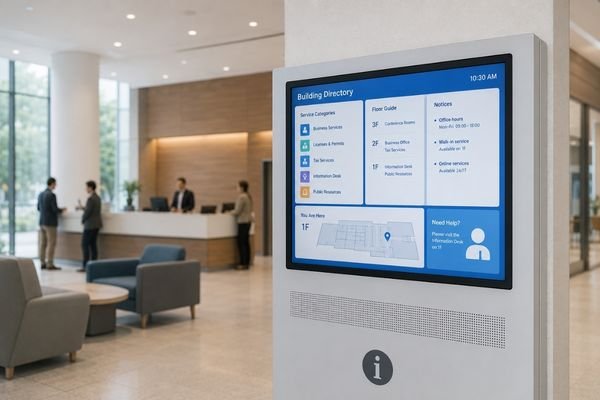
For information release, wayfinding, schedule guidance, service instructions, and public-facing content in halls, service centers, and public buildings.
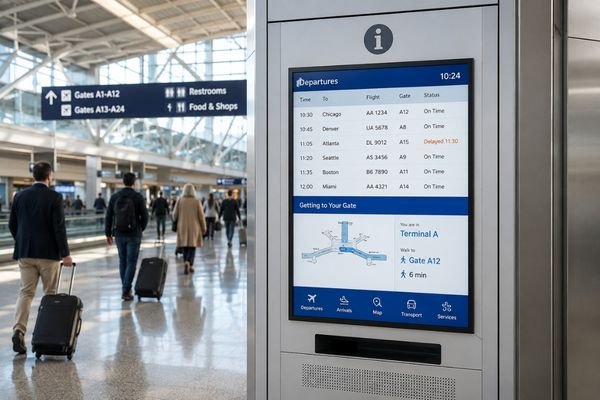
For station systems, airport terminals, metro and bus facilities, route guidance, status updates, and passenger information displays.
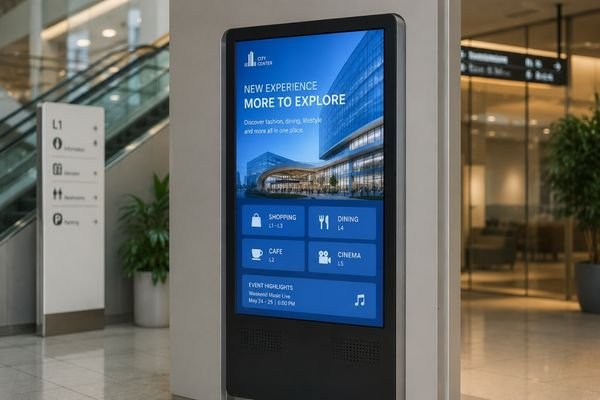
For signage equipment builders that need a module-level display direction rather than a complete finished signage unit.
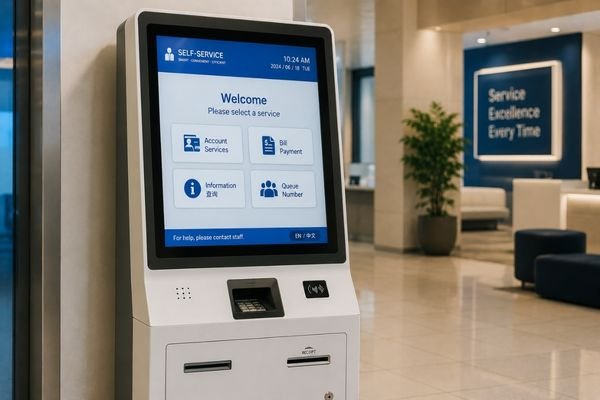
For self-service systems, commercial terminals, public service equipment, and mixed industrial-commercial devices requiring a large embedded display area.
Customization should focus on practical project fit: readability, interface alignment, mechanical structure, installation method, and long-term deployment consistency.
Brightness can be evaluated according to indoor public display, semi-outdoor use, or brighter commercial environments.
Anti-glare, cover glass, and front-surface treatment can be reviewed according to the actual environment.
Protective glass, surface treatment, or touch-related front structure can be evaluated if required.
Interface direction can be reviewed according to controller board, system mainboard, or playback architecture.
Structure, enclosure fit, mounting points, and installation direction can be evaluated at project level.
Touch integration can be discussed when the final system requires direct interaction.
This solution is intended for teams that need a manufacturer-oriented, engineering-driven partner for custom LCD module development and integration, rather than a basic product trading comparison.
For 43-inch commercial display projects, the issue is not only screen size. The more important question is whether brightness target, structural fit, interface path, front-surface treatment, and long-term deployment continuity can be aligned before the project moves too far.
This is especially important for information systems, transportation terminals, public display equipment, and embedded commercial devices where the display affects enclosure design, user visibility, installation planning, and future supply.
No. This page focuses on module-level project discussion for teams that need display integration support rather than a finished signage product.
Yes. Brightness direction can be evaluated according to indoor public display, semi-outdoor use, or brighter commercial environments.
No. It can also be evaluated for public information systems, digital signage equipment builders, embedded commercial display systems, and other public-facing installation projects.
Yes. Cover glass, anti-glare treatment, optical treatment, and mounting details can be evaluated according to the project.
Final specifications may vary depending on brightness, interface, structure, front-surface treatment, and integration requirements.
Share your brightness target, interface direction, structure requirement, and application environment. We can help evaluate whether a 43-inch commercial display module direction is practical for your project.
We will contact you within 1 working day, please pay attention to the email with the suffix “@lcdmodulepro.com”.