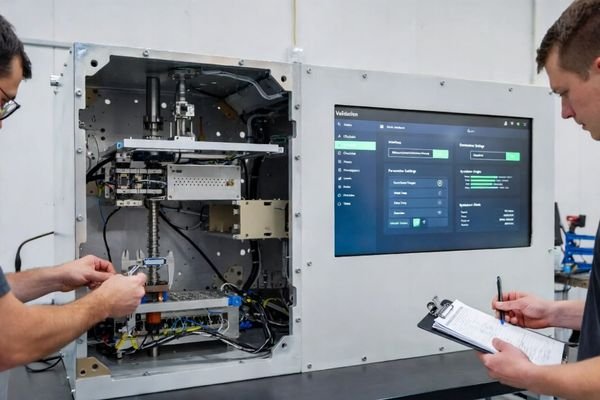
Some equipment projects do not fit standard display categories.
They may involve a unique structure, limited internal space, special installation method, evolving specifications, or a display requirement that affects the product architecture itself.
This page is for equipment teams that need to define a practical LCD module direction before choosing a specific module type. Instead of starting from a catalog model, we help review the display requirement around the actual equipment conditions.
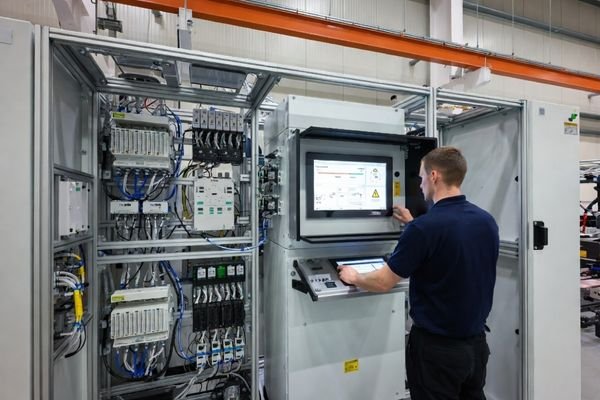
For equipment manufacturers developing products with non-standard structures, a display decision should not start from size comparison alone. The enclosure fit, interface routing, optical needs, operating environment, and lifecycle plan all affect whether a module direction can work reliably inside the final equipment.
A catalog-first approach may look convenient during early sourcing, but real problems often appear after mechanical, electrical, or validation work begins.
An equipment-led review helps define the display direction around the actual device, so structural, interface, optical, and supply decisions can be aligned earlier.
Outline size, visible area, thickness, mounting space, and enclosure constraints.
Signal type, connector position, cable direction, board layout, and system compatibility.
Brightness, viewing angle, touch structure, cover lens, and real application readability.
Sample validation, pilot planning, lifecycle expectation, and repeated supply stability.
This page helps identify equipment projects that cannot be reliably defined by display size comparison alone and require an engineering-led display direction.
Your product does not clearly belong to a common module type, application group, or existing display direction.
The display must match a specific opening, housing, front design, or non-standard mechanical layout defined by the equipment itself.
Signal path, controller choice, mounting method, cable routing, and enclosure fit cannot be treated as separate decisions.
The project is still at concept, feasibility, prototype, or redesign stage, and display requirements need to be reviewed before final specifications are frozen.
Start here when your equipment project involves non-standard display conditions, unclear module direction, or multiple integration constraints.
This section helps determine whether the project should move toward a reference platform, platform-based customization, high-brightness or special-format direction, or project-based custom LCD module development.
For shape, window, outline, space, and product structure limits.
For signal path, controller board, connector, and cable routing review.
For mounting, thickness, front structure, and enclosure adaptation.
Review structure, visible area, interface platform, operating environment, and lifecycle needs.
Evaluate panel direction, FPC path, controller compatibility, brightness target, and mounting fit.
Turn the display direction into a practical sample, pilot, and supply planning path.
Best for: Best for OEM device projects where structure, interface, optical performance, and lifecycle planning need to be reviewed together.
This section helps you decide whether your project should begin with engineering review before moving into module-level customization or sample selection.
Your equipment does not clearly match an existing display direction.
The product may require square, round, bar-type, ultra-wide, or irregular display formats.
Structure, interface, brightness, touch, and supply requirements must be reviewed together.
The project needs a display direction before final specifications are locked.
Once a project moves beyond common display layouts, the main challenge is usually not choosing a model. The display direction must match the product structure, operating environment, performance target, and system architecture.
Custom-built equipment often defines its own space, shape, window, and interface logic. The display direction must adapt to the product.
Indoor, outdoor, mobile, or industrial conditions may overlap, creating combined brightness, temperature, humidity, and durability requirements.
Brightness, aspect ratio, viewing angle, touch behavior, or lifetime may be defined by the real application instead of a common specification.
Projects often start with evolving definitions, so engineering review is needed before the display direction becomes fixed.
Engineering-driven display support focused on feasibility, direction definition, integration review, and structured execution — helping equipment teams move from unclear constraints to a practical LCD module path.
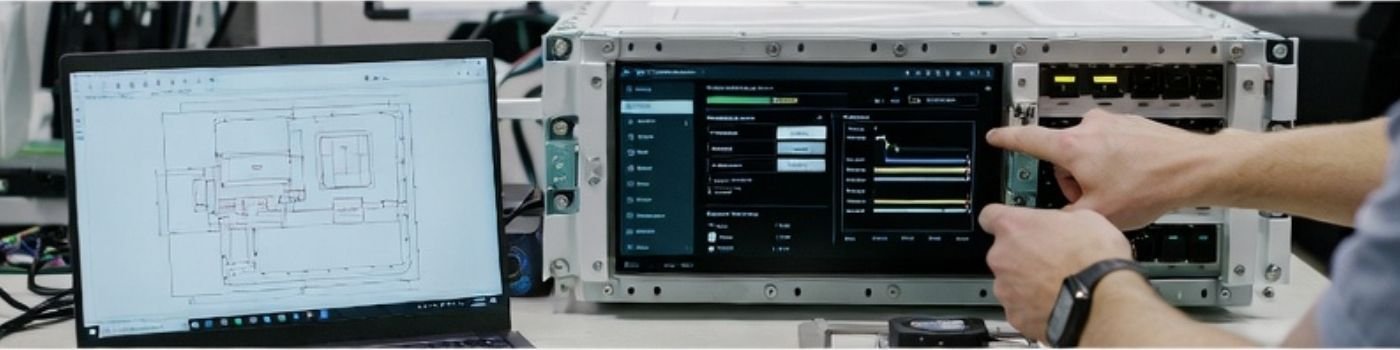
Evaluate structure, optical targets, interface paths, and integration risks before display direction is finalized.
Define whether the project should move toward a reference platform, platform-based customization, special-format direction, or project-based custom development.
Review mechanical adaptation, system matching, and module-level definition for a controlled integration path.
From early discussion through samples, pilot builds, and long-term supply planning.
These factors are defined by your equipment architecture, operating environment, and integration goals — not selected from a catalog alone.
Non-standard sizes and special outlines; custom layouts driven by the product structure.
Structure-specific mounting and front adaptation; bonding or enclosure-fit requirements when needed.
Feasibility and integration accuracy; validation planning and long-term support continuity.
Application-defined luminance targets; from standard industrial levels to high-brightness use cases.
Defined by the system platform; LVDS / eDP / MIPI (module-level), controller optional if required.
From evolving requirements to spec freeze; engineered deliverables with controlled change management.
After the display direction is clarified, the project may move toward module-level customization, special-format display review, high-brightness design, or interface and integration support.
For projects that require module-level customization around size, brightness, interface, touch, FPC direction, structure, or lifecycle planning.
For projects with square, round, bar-type, ultra-wide, or irregular display formats that need feasibility review.
For projects where signal path, controller choice, mounting, cable routing, and enclosure fit must be defined together.
Non-standard equipment projects benefit most when engineering review is involved early — especially when the display direction affects product structure, interface layout, validation, or long-term supply planning.
Engineering review helps clarify the display path before specifications are frozen.
Outline, thickness, mounting, and front adaptation must fit the equipment.
Environment, readability, interface, and lifecycle must be reviewed together.
Module direction shapes mechanical layout, UI, and system integration.
Supply continuity and change control reduce future redesign risk.
A structured path designed for non-standard equipment projects — turning early constraints into a practical LCD module direction before the project moves too far into sampling or integration.
Equipment concept, display window, structure, operating environment, interface platform, target lifetime, and development stage.
Outline, backlight, structure path, interface definition, and prototype or sample validation direction.
Mechanical, optical, electrical, integration, and supply continuity risks are reviewed before direction freeze.
Pilot builds, consistency windows, production alignment, and lifecycle planning.
Move from this solution page into deeper engineering and module-level support for non-standard equipment display projects.
Module-level customization support around size, brightness, interface, touch, structure, FPC direction, and lifecycle planning.
Mechanical fit, interface matching, validation planning, and long-term support strategy.
Unconventional outlines and formats for unique layouts and dedicated interfaces.
High-Brightness & Environment-Driven Display Support
This discussion is intended for non-standard and project-defined display requirements.
If your equipment does not fit typical categories, or your project involves non-standard structure, special operating conditions, or evolving requirements, we welcome an engineering-level discussion.
Tell us your product concept, operating environment, interface platform, and development stage.
We will contact you within 1 working day, please pay attention to the email with the suffix “@lcdmodulepro.com”.