
Standard LCD modules rarely fit real-world equipment directly. Differences in structure, interface, brightness, touch, operating environment and lifecycle expectations often require a project-based LCD module engineering path.
LCD Module Pro supports custom LCD module engineering around your product architecture — helping equipment teams align display structure, interface path, optical target, touch integration, validation and long-term supply before production decisions are fixed.
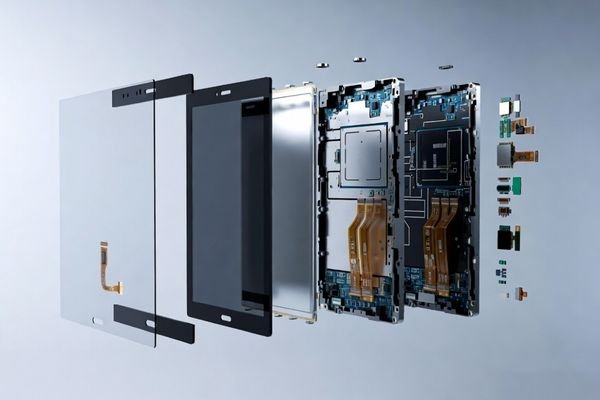
Custom LCD module engineering should connect product requirements with practical display decisions. Structure, interface, brightness, touch, validation and lifecycle planning need to be reviewed together before the module direction becomes difficult to change.
Catalog dimensions, active area, interface or brightness may not match the real equipment design.
Review enclosure fit, controller path, brightness target, touch stack, cable route and operating environment.
Define a display path that can move toward sample validation, pilot build and repeated production.
The display must work with a fixed housing, mainboard, connector path or application-specific environment.
Check interface matching, mechanical feasibility, backlight direction, touch integration and test conditions.
Reduce late changes caused by enclosure mismatch, signal issues, visibility gaps or supply instability.
The equipment requires stable configuration, controlled changes and supply continuity beyond sample approval.
Review PCN/EOL risk, BOM stability, sample-to-pilot path, documentation and long-term supply expectations.
Support a more stable route from requirement review to mass production and lifecycle planning.
If your product cannot be served by a catalog LCD module directly, the display should be reviewed as part of the complete equipment architecture rather than as a separate screen component.
Many projects run into problems not because the panel is poor, but because the display module was never reviewed around the product structure, controller path, operating environment and lifecycle requirements.
Mechanical dimensions, active area, viewing window, installation method and product form factor often require custom coordination.
Signal type, connector path, power design, timing behavior and board architecture may not align with an off-the-shelf choice.
Lab performance does not always translate to field visibility under high ambient light, outdoor-facing use or demanding viewing conditions.
Continuous use, harsh environments, thermal stress and enclosure limits can quickly expose limitations in standard configurations.
Sourcing instability, PCN/EOL risk and limited product continuity can create redesign pressure later in your program.
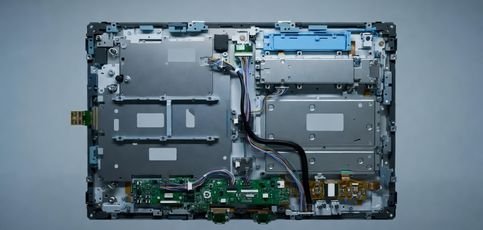
We support your project at every critical stage, so the LCD module is defined around actual product conditions, validation requirements and production expectations.
A practical custom LCD module program needs more than panel selection. It needs coordinated decisions across structure, interface, optical target, touch, validation and supply planning.
That is why the development process should stay connected from the first requirement discussion to sample validation, pilot review and final production support.
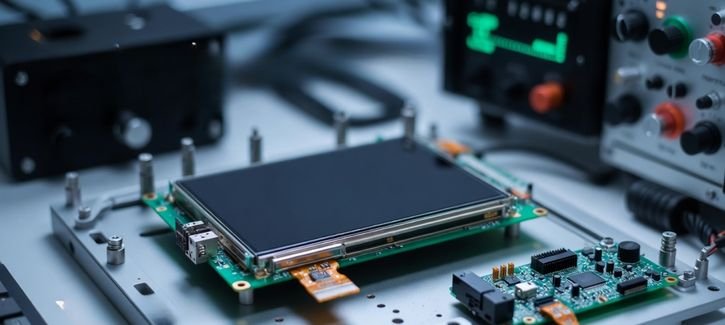
Understand your product application, enclosure constraints, system architecture, interface path and operating environment.
Define module structure, interface direction, brightness target, touch or cover glass direction and key engineering specifications.
Build customized samples for validation, integration testing, mechanical fit check and design review.
Refine performance, readability, interface stability, reliability and consistency before design lock-in.
Support configuration stability, lifecycle planning and project continuity after validation.
Want to explore typical display formats? → View Module Types
We combine multiple engineering capabilities into one integrated solution, helping the LCD module work as a coordinated part of your product structure, electronics, operating environment and production plan.
Non-standard display formats for differentiated products, compact equipment spaces and application-specific visible areas.
Visual performance improvements for demanding environments, including brightness tuning, optical stack review and readability optimization.
Support interface pathways such as LVDS, eDP, MIPI and controller-based HDMI according to board design and system requirements.
Mechanical adaptation for fixing method, tolerance control, assembly path, connector direction, cable routing and installation practicality.
Display structure planning, dimensional coordination, stack definition and module-level engineering based on product architecture.
Engineering review for broader operating conditions, thermal behavior, material stability and wide-temperature environments.
PCAP and resistive touch integration matched with user interaction, cover lens structure, front-panel design and controller requirements.
End-to-end support from requirement analysis and solution design to prototype validation, pilot review, production planning and long-term lifecycle continuity.
We typically support customers that need engineering participation throughout the display project, not just a catalog LCD module option.
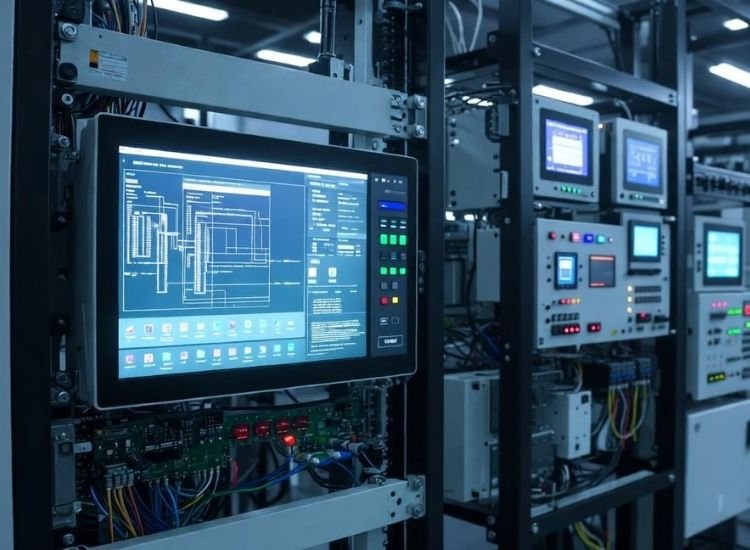
Programs that require practical LCD module definition, integration coordination, validation support and long-term supply planning.
Projects where interface stability, mechanical fit, reliability and environmental suitability matter more than standard availability.
Teams that need the display module aligned with the broader electrical architecture, mechanical structure and system integration path.
New product teams that need support moving from concept validation toward a stable sample, pilot and production-ready direction.
We work as an engineering partner throughout the custom LCD module development process.
Custom engineering is most useful when display format, interface path, mechanical fit, optical direction, touch structure and production planning need to be reviewed as one equipment-level project. The following entry pages help connect engineering discussion with practical LCD module directions.
For OEM devices where non-standard display shape, active area, FPC direction, interface path and equipment-level fit need to be reviewed before sample planning.
For industrial equipment and HMI projects where display proportions, control-console layout, embedded mounting and controller path need to align with machine design.
For outdoor terminals, marine systems and rugged equipment where brightness, thermal behavior, front-surface treatment and long-term deployment need to be reviewed together.
For retail terminals and self-service equipment where display format, touch front-panel layout, interface path and embedded system integration need to be reviewed together.
Tell us about your application, display requirements, structure constraints and project expectations. Our engineering team will help define a practical custom LCD module direction.
Share your product background, target display size, interface needs, structural limits, brightness target, touch requirements, operating environment, sample stage and schedule expectations. We will use that information to shape a more suitable custom LCD module path.
Projects move faster when key structure, interface, brightness, touch, validation and lifecycle constraints are clarified early.
Discuss your project with an engineering-oriented team.
Get a proposal aligned with product architecture, integration logic and validation needs.
Clarify technical risk earlier and reduce later redesign pressure.
We will contact you within 1 working day, please pay attention to the email with the suffix “@lcdmodulepro.com”.