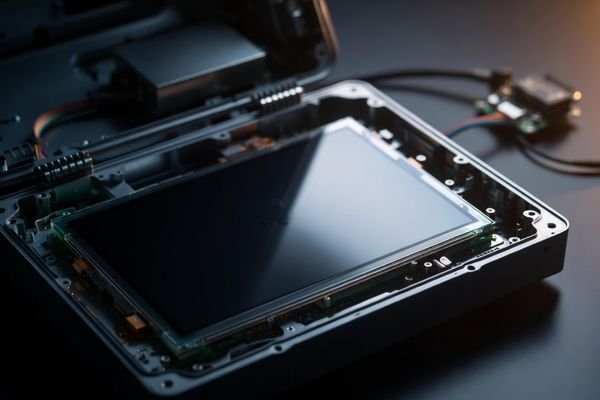
How do you diagnose backlight-enable issues when an LCD display module shows delayed image at boot?
A delayed boot image often points to backlight control, not video timing. If the LCD is already receiving valid video

A delayed boot image often points to backlight control, not video timing. If the LCD is already receiving valid video
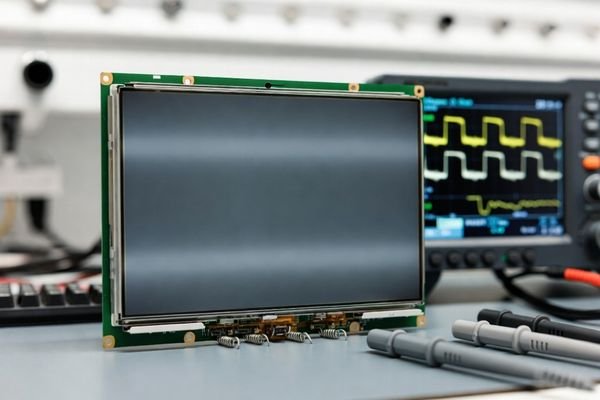
Power-on sequencing is the contract defining the precise order, timing, and voltage characteristics for applying power and control signals to
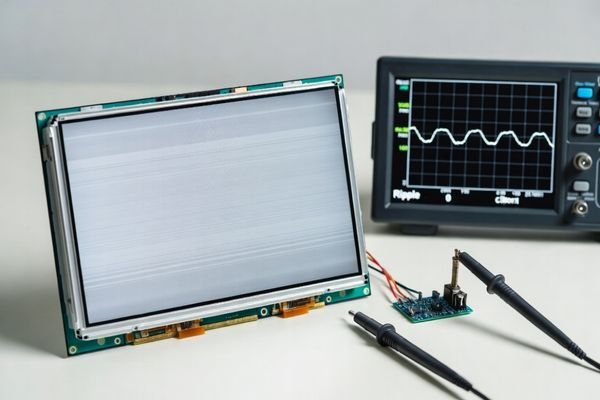
Effective revision rules in a contract create a bright-line definition of what changes trigger a new revision versus what can

Configuration freeze is the moment you lock the buildable, testable technical “contract” for a custom LCD display module—what will be
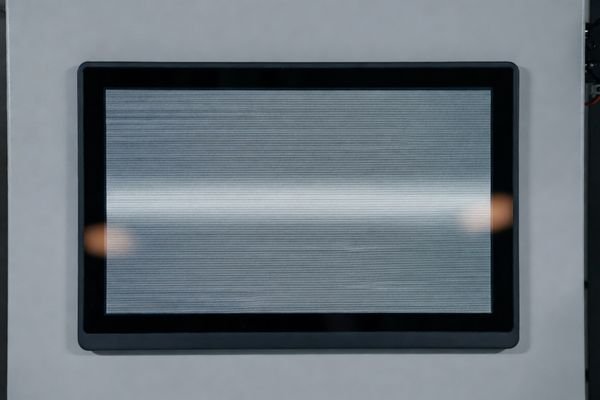
In real projects, “flicker” can mean a few different things: low-frequency brightness breathing, rolling bands, shimmer on mid-gray, or a
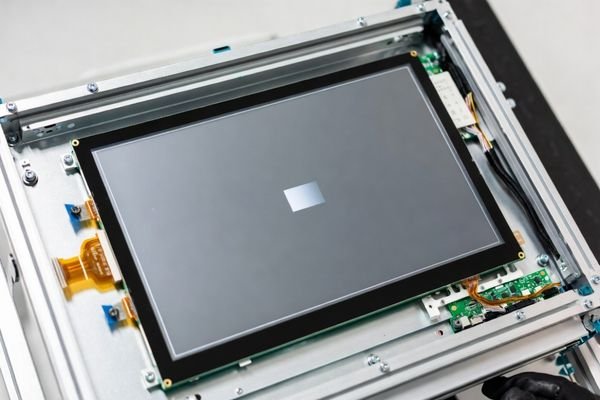
MIPI DSI compatibility is a host-to-module contract, not a connector match. Prove PHY margin, protocol/mode behavior, and repeatable reset/power/init flows.
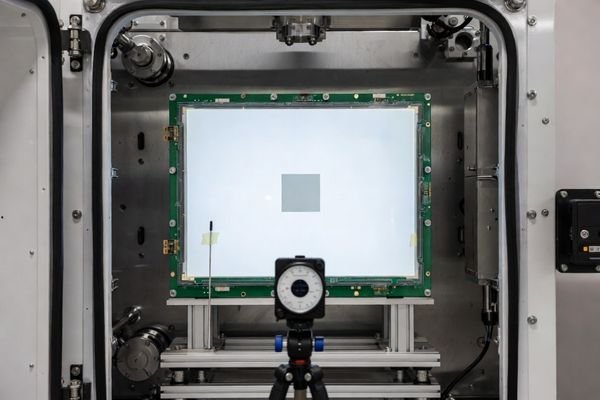
High-temperature luminance degradation is the reduction of emitted brightness when a module operates or dwells at elevated temperature. Part of
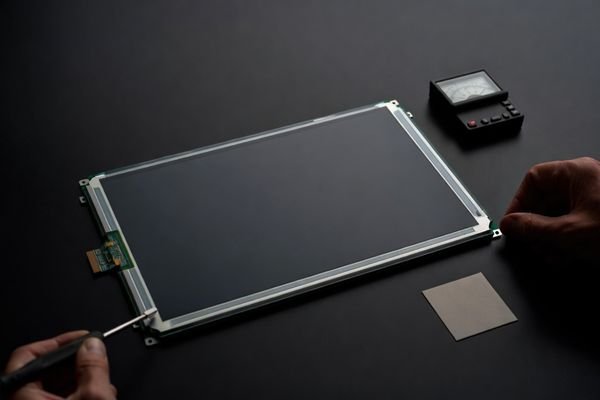
Edge light leakage is unwanted brightness escaping near the module perimeter, often seen as bright bands, corner blooms, or uneven
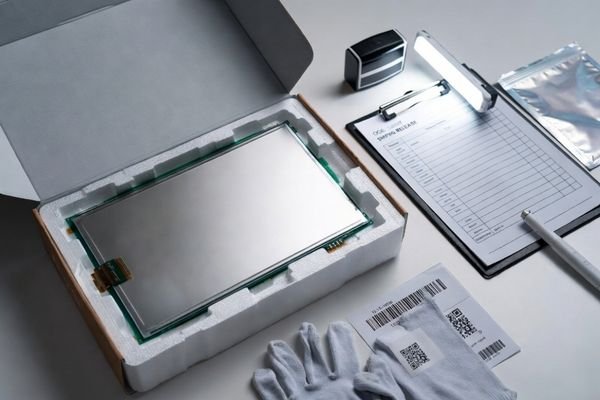
Outgoing Quality Control (OQC) is the final quality gate before shipment. It targets shipment-critical escapes such as cosmetic defects, functional