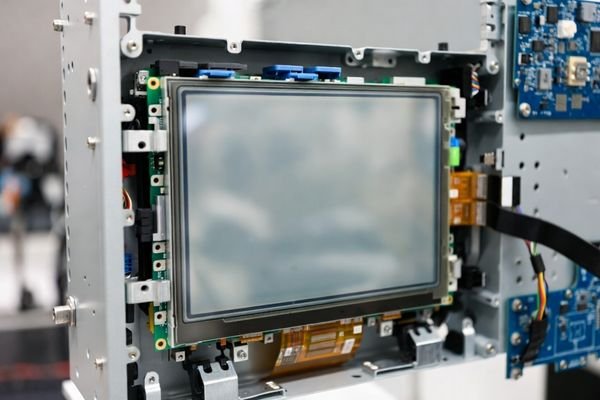
Why Off-the-Shelf LCD Modules Fail in Real Equipment Projects
Off-the-shelf LCD modules often fail in real equipment projects not because the display is defective, but because its built-in assumptions

Off-the-shelf LCD modules often fail in real equipment projects not because the display is defective, but because its built-in assumptions
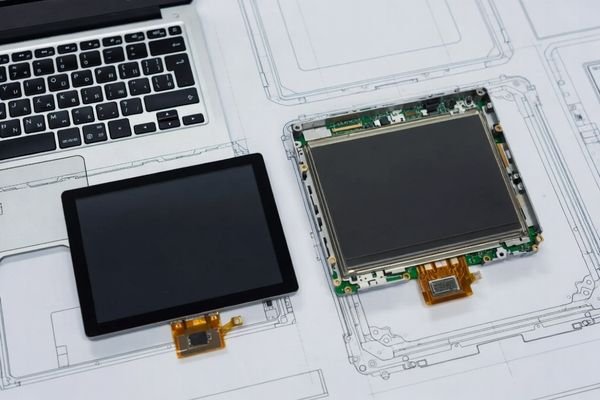
A custom LCD module becomes worth evaluating when a standard LCD module can no longer meet the product’s mechanical, interface,
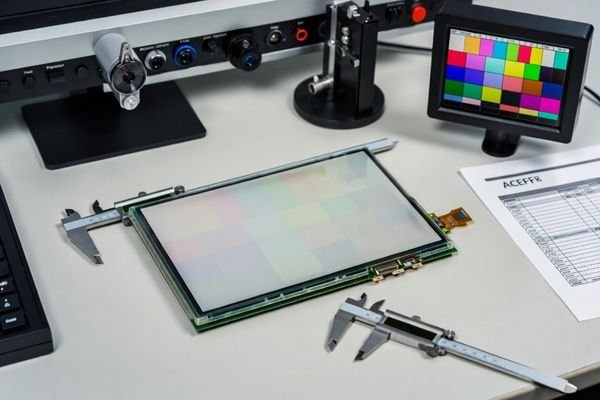
Acceptance criteria for LCD display modules are measurable, verifiable, and repeatable rules that define what must be checked, how it
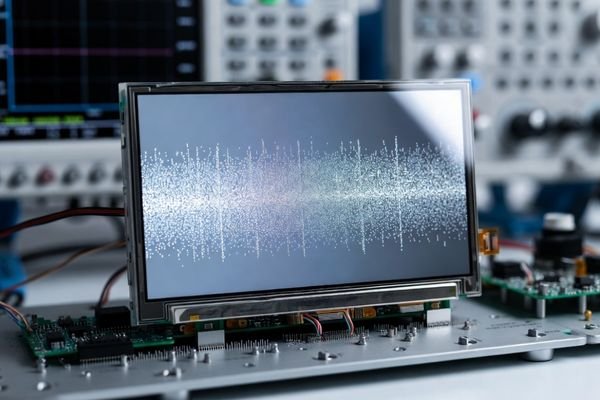
Diagnosing fixed-position noise on an LCD requires a structured signal integrity investigation. The most reliable method is to confirm that
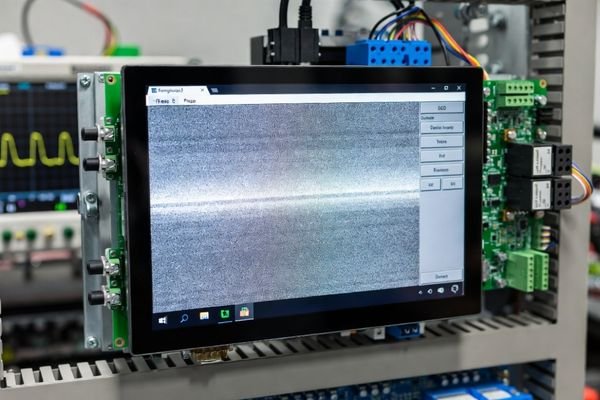
Diagnosing LCD display module flashing during relay switching requires a structured measurement process across the power, ground, and signal paths.
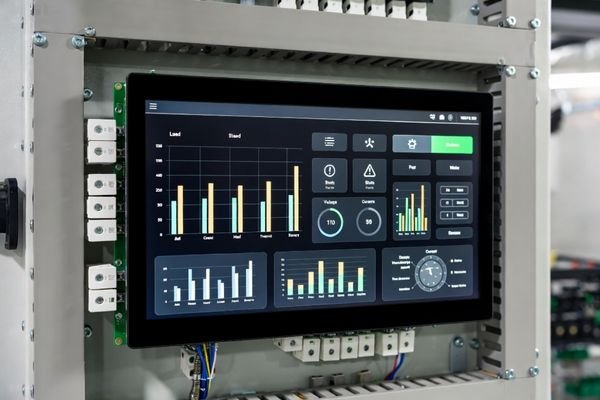
To choose an LCD display module for a power distribution cabinet status display, engineers should prioritize readability, wide viewing angles,

Choosing a wide-temperature LCD display module for construction machinery requires more than checking the temperature rating on a datasheet. Engineers
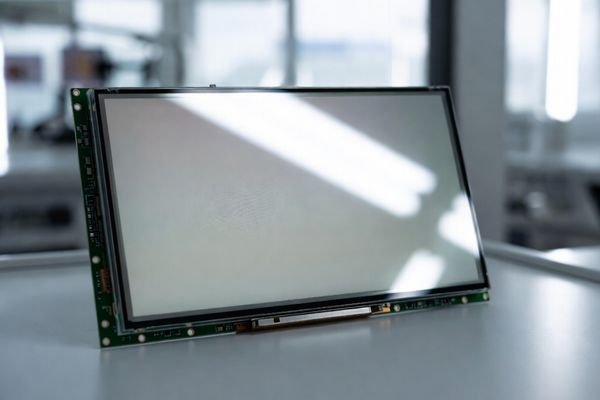
AG, or anti-glare, is a surface treatment on an LCD module that diffuses reflected ambient light to reduce glare and
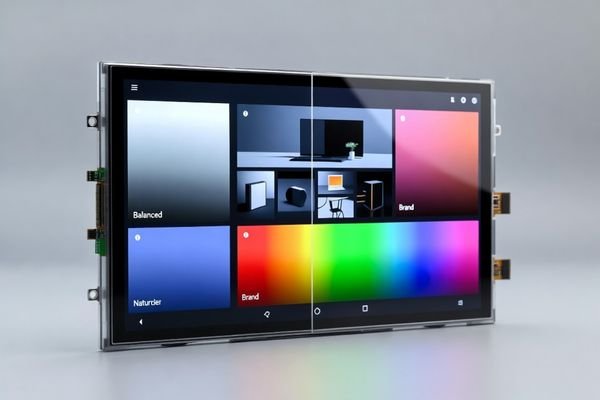
Color gamut defines the range of colors an LCD module can reproduce, usually expressed against a reference color space such